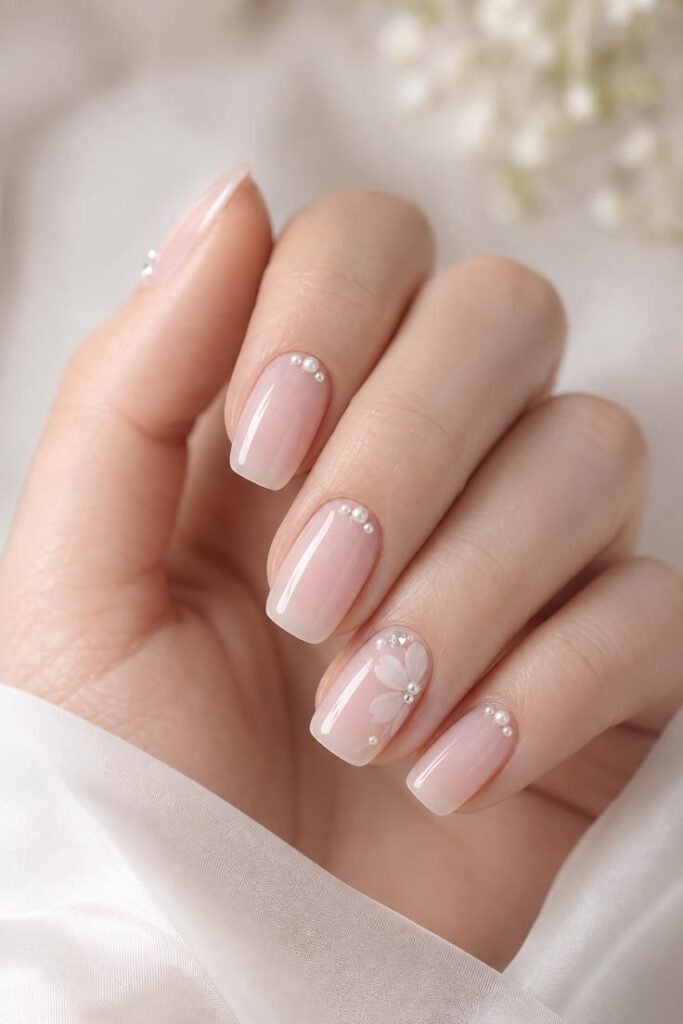

Finding the right glue nail glue can make a big difference in how comfortable and long-lasting your manicure feels. Whether you love press-on nails, need to repair a broken nail, or want to attach artificial tips, choosing the right nail glue helps create a secure hold without unnecessary mess. A good strong nail glue should dry quickly, stay firmly in place, and be easy to remove when you are ready for a fresh look.
However, using too much glue or removing it incorrectly can leave your natural nails feeling weak or rough. In this guide, you’ll learn how to choose the best nail glue, apply it properly, make your manicure last longer, and safely remove nail glue from your nails and skin.
What Is Glue Nail Glue?
Glue nail glue is a specially formulated adhesive used to attach artificial nails, nail tips, and press-on nails to natural nails. It creates a firm bond that helps your manicure stay in place during everyday activities. Most nail glue formulas are designed to dry quickly, making application easier and more convenient. Choosing the best nail glue also depends on the strength, drying time, and type of nails you plan to apply.
How Does Nail Glue Work?
Nail glue works by forming a strong bond between your natural nail and an artificial nail or tip. When you apply a small amount of glue nail glue, it quickly reacts with air and hardens, creating a secure hold. This is why strong nail glue can keep press-on nails firmly attached for days. Clean, dry nails usually help the adhesive bond better and make your manicure last longer.
What Is Nail Glue Made Of?
Most glue nail glue products are made with adhesive ingredients called cyanoacrylates, which create a fast and firm bond when exposed to moisture in the air. Some nail glue formulas may also contain stabilizers or other ingredients to improve shelf life and performance. Because formulas can vary, it is helpful to check the product label before use, especially when choosing strong nail glue for press-on nails.
How to Choose the Best Glue Nail Glue
Choosing the right glue nail glue depends on your nail type, desired hold, and how often you change your manicure. Look for a strong nail glue that dries quickly but still allows careful application. If you enjoy press-on nails, choose an adhesive made specifically for them. Also check the ingredients, applicator, and drying time before buying the best nail glue for your needs.
Strong Hold vs. Gentle Formula
When choosing glue nail glue, think about how long you want your manicure to stay in place. A strong nail glue can provide a firm, lasting bond, making it useful for press-on nails and artificial tips. A gentle formula may be more suitable if you change your nails frequently. Always follow the product instructions and choose nail glue that matches your application needs.
Fast-Drying Nail Glue
Fast-drying nail glue is a convenient choice when you want to finish your manicure without waiting too long. A quality glue nail glue can set within seconds, helping press-on nails stay firmly attached with less movement during application. However, quick-drying formulas leave little time to adjust the nail, so careful placement matters. Choose nail glue with a comfortable applicator for easier, cleaner application.
Nail Glue for Press-On Nails
Using the right glue nail glue can help your press-on nails look neat and stay securely attached. Before applying, make sure your natural nails are clean, dry, and free from oil. Apply a thin layer of nail glue to the nail surface, then gently press the artificial nail into place. A strong nail glue can provide a longer-lasting hold when applied correctly.
What Can You Use Glue Nail Glue For?
Glue nail glue is useful for several everyday nail applications. You can use nail glue to attach press-on nails, secure artificial nail tips, or temporarily repair a small split in a natural nail. It can also help keep nail extensions firmly in place when applied correctly. For longer wear, strong nail glue can provide a reliable bond while keeping your manicure looking neat and polished.
Applying Press-On Nails
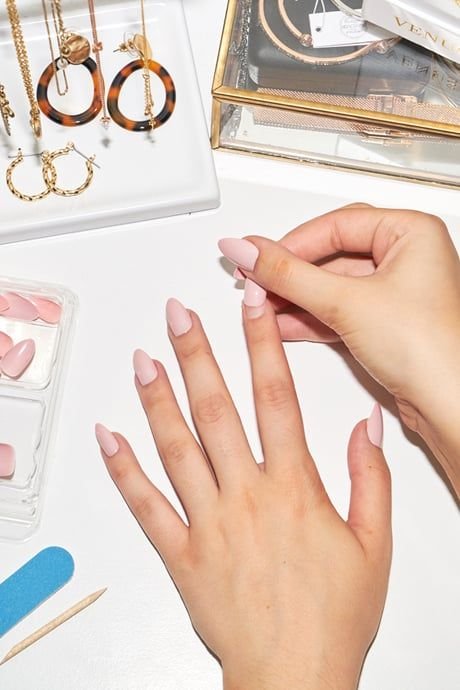
Applying press-on nails with glue nail glue is simple when you prepare your nails properly. Start by cleaning and drying your natural nails to remove oil and residue. Apply a small amount of nail glue evenly, then position the press-on nail carefully and hold it down for several seconds. Using strong nail glue can help create a secure bond and keep your manicure looking fresh.
Fixing a Broken Nail
A small split or broken nail can be annoying, but nail glue for broken nails may offer a temporary fix. First, gently clean and dry the nail, then apply a tiny amount of glue nail glue over the crack. Hold the edges together until the adhesive sets. Avoid using glue on cuts or irritated skin. Once dry, smooth the area carefully with a nail file for a neat finish.
Attaching Nail Tips
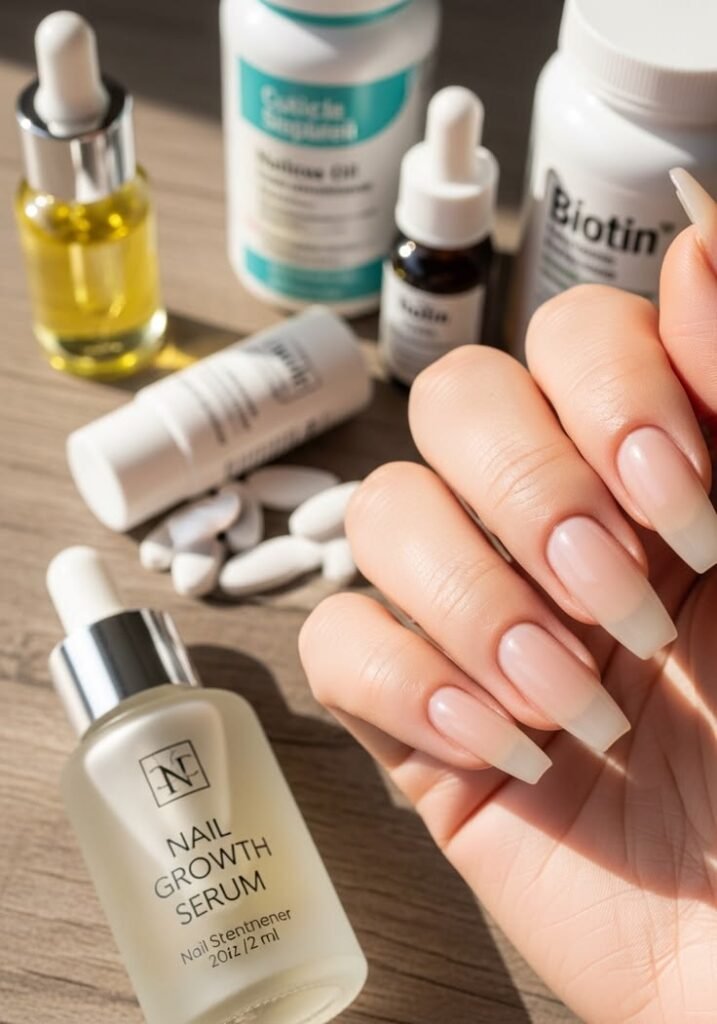
Attaching nail tips with glue nail glue is a simple way to add length and create a polished base for your manicure. Start with clean, dry nails and gently buff the surface if needed. Apply a thin layer of nail tip glue, then place the tip carefully over the natural nail. Hold it firmly for a few seconds. Using strong nail glue can help keep nail tips securely attached.
How to Apply Glue Nail Glue Correctly
Using glue nail glue correctly helps create a neat and secure manicure. Begin by washing and drying your hands, then make sure your natural nails are free from oil and lotion. Apply a small, even amount of nail glue to the nail or artificial tip. Position it carefully and press gently for several seconds. Avoid excess glue, as too much can create a messy finish and make removal harder.
Prepare Your Natural Nails
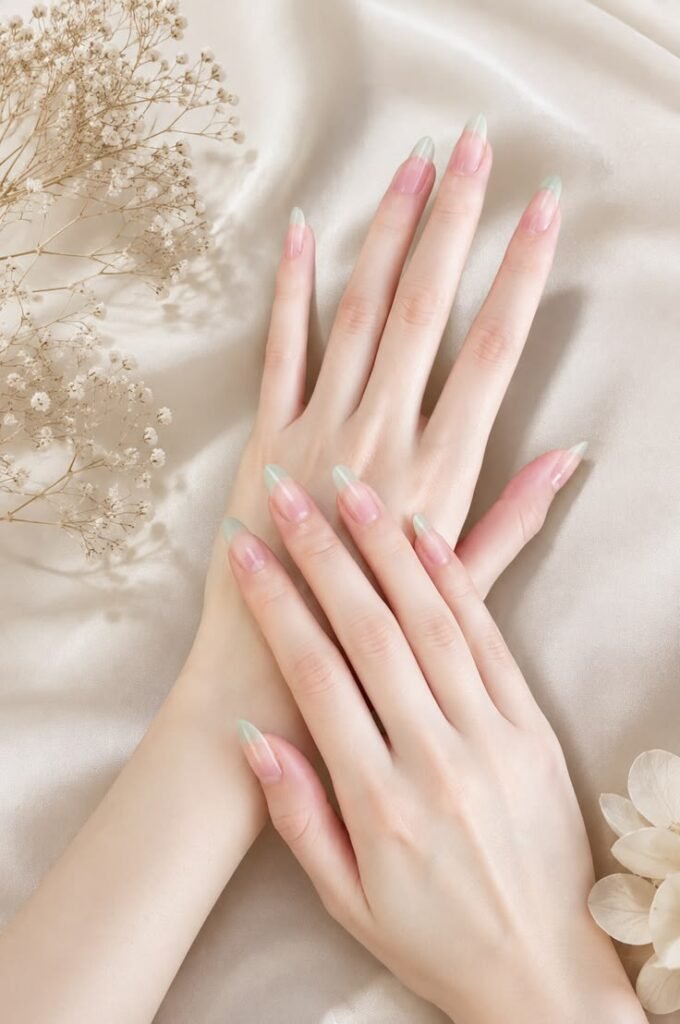
Before using glue nail glue, proper nail preparation helps create a stronger, cleaner bond. Start by washing your hands and drying your nails completely. Remove any polish, oil, or lotion from the nail surface. Gently shape the nails and lightly buff away excess shine if needed. Clean, dry nails give nail glue a better surface to grip and can help press-on nails stay securely attached.
Apply the Right Amount of Glue
When using glue nail glue, less is usually more. Apply a thin, even layer over the natural nail or artificial tip rather than covering the entire surface with excess adhesive. Too much nail glue can spill onto the skin, create bumps, and make removal difficult. For press-on nails, use enough adhesive to create a secure bond without squeezing out around the edges. This also helps keep your manicure neat.
Press and Hold the Nail in Place
After applying glue nail glue, place the artificial nail carefully over your natural nail and align it from the cuticle toward the tip. Press it down firmly but gently for several seconds so the nail glue can form a secure bond. Avoid moving the nail while it sets. With press-on nails, steady pressure helps prevent lifting and gives your manicure a smooth, natural-looking finish.
Press and Hold the Nail in Place
After applying glue nail glue, place the artificial nail carefully over your natural nail and align it from the cuticle toward the tip. Press it down firmly but gently for several seconds so the nail glue can form a secure bond. Avoid moving the nail while it sets. With press-on nails, steady pressure helps prevent lifting and gives your manicure a smooth, natural-looking finish.
How Long Does Nail Glue Last?
The wear time of glue nail glue can vary depending on the formula, nail preparation, and your daily activities. Properly applied press-on nails may stay secure for several days or longer. Water exposure, frequent hand washing, and oily products can weaken the adhesive over time. Using quality strong nail glue, preparing clean and dry nails, and avoiding unnecessary pressure on the nails can help your manicure last longer.
Factors That Affect Nail Glue Wear
Several factors can affect how long glue nail glue keeps your manicure secure. Nail preparation, the amount of nail glue used, and the quality of the adhesive all matter. Frequent hand washing, long exposure to water, oily lotions, and daily activities can also weaken the bond. For press-on nails, applying the glue evenly and keeping nails clean and dry can help improve wear and reduce early lifting.
How to Make Glue-On Nails Last Longer
To make glue-on nails last longer, start with clean, completely dry natural nails. Remove oils or lotion before applying glue nail glue, and use only the amount recommended by the product. Press each nail firmly into place and avoid soaking your hands in water soon after application. Choosing quality strong nail glue and wearing gloves during cleaning can also help reduce lifting and keep your manicure looking fresh.
Glue Nail Glue vs. Nail Tabs
Glue nail glue and nail tabs both attach artificial nails, but they offer a different experience. Nail glue generally creates a stronger bond and can be useful when you want longer wear. Nail tabs are often easier to apply and remove, making them convenient for short-term styles. Your choice depends on how long you want your press-on nails to stay on and how easily you want to change them.
Which One Provides a Stronger Hold?
For a stronger and more lasting attachment, strong nail glue generally provides a firmer bond than adhesive tabs. This makes glue nail glue a popular option for people who want their press-on nails to stay secure during everyday activities. However, proper nail preparation and application are just as important as the adhesive itself. Applying too much glue will not necessarily create a better hold and can make removal more difficult.
Which Option Is Easier to Remove?
Nail tabs are usually easier to remove because they do not create the same strong bond as nail glue. Glue nail glue may require more patience during removal, especially when it has been worn for several days. Soaking and using an appropriate remover can help loosen the adhesive. If easy removal is your main priority, adhesive tabs may be more convenient for temporary press-on nails.
Is Glue Nail Glue Safe for Natural Nails?
When used according to the product directions, glue nail glue can be used on natural nails. Problems are more likely when artificial nails are pulled off, excessive glue is applied, or the adhesive comes into contact with irritated skin. To protect your nails, use nail glue carefully and give your natural nails a break when needed. Gentle removal is also important for maintaining healthy-looking nails.
Common Problems From Incorrect Use
Incorrect use of nail glue can lead to several common problems, including messy application, difficult removal, lifting, or irritation around the skin. Using too much glue nail glue can make the artificial nail uneven and increase cleanup time. Pulling off press-on nails instead of loosening the adhesive can also damage the natural nail surface. Following the product instructions can help prevent many of these issues.
How to Protect Your Natural Nails
Protecting your natural nails starts with careful application and removal of glue nail glue. Keep the adhesive away from cuts and irritated skin, and never force artificial nails off. After removing press-on nails, gently clean away remaining adhesive rather than scraping aggressively. Keeping your nails moisturized and avoiding unnecessary filing can also help them maintain a smoother, healthier appearance.
How to Remove Glue Nail Glue Safely
Removing glue nail glue should be done slowly rather than by pulling or peeling. Soaking can help soften the adhesive and make artificial nails easier to loosen. For stubborn nail glue, an acetone-based remover may help break down the bond. Work patiently and stop if you experience pain or significant irritation. The goal is to remove the adhesive without unnecessarily scraping or damaging the natural nail.
Using Acetone
Acetone can help dissolve or loosen nail glue, making it useful when removing stubborn adhesive. Place acetone in a suitable container and soak the affected nail according to the remover’s directions. As the glue nail glue softens, gently work around the artificial nail instead of pulling it away. Acetone can dry the skin and nails, so moisturizing afterward can help restore comfort.
Soaking and Gently Removing the Glue
Soaking gives glue nail glue time to soften before you attempt removal. Once the adhesive has loosened, gently work around the edges of the artificial nail and avoid forcing it. If the press-on nails do not release easily, continue soaking rather than pulling harder. Patience is important because aggressive removal can take away layers from the natural nail and leave the surface rough.
What You Should Avoid During Removal
Avoid ripping, peeling, or forcefully pulling off press-on nails that are attached with nail glue. Scraping aggressively can also roughen the natural nail surface. Do not use sharp objects to pry artificial nails away, and avoid applying excessive force when the adhesive is still firmly bonded. A slower removal process using soaking and an appropriate remover is generally more suitable for protecting your natural nails.
How to Remove Nail Glue From Skin
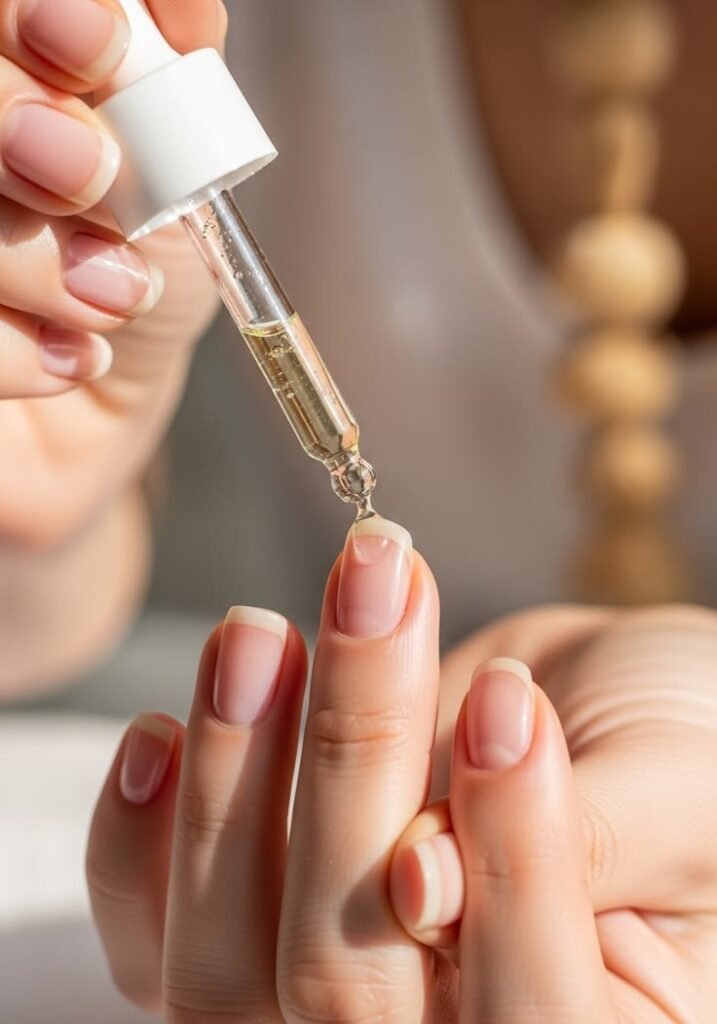
Accidentally getting nail glue on your skin can happen during a manicure. Instead of pulling the skin apart, allow the adhesive to loosen gradually. Warm soapy water may help soften small amounts of glue nail glue, while an appropriate acetone-based remover can help with stubborn residue when suitable for the affected area. Avoid aggressive rubbing, and stop if the skin becomes painful, irritated, or damaged.
Safe Ways to Loosen Dried Nail Glue
For dried nail glue on the skin, start by soaking the area in warm, soapy water to help soften the adhesive. Gently massage around the edges without peeling forcefully. For stubborn glue nail glue, a suitable acetone-based product may help loosen the residue, but it can irritate or dry the skin. Keep the product away from eyes, broken skin, and sensitive areas.
When You Should Not Pull the Glue Off
Never pull dried glue nail glue forcefully from the skin because this can tear or irritate the skin. If your fingers are stuck together, do not try to separate them with sudden force. Instead, soak the area and allow the adhesive to loosen gradually. If the glue involves the eyes, mouth, or a large area of skin, seek appropriate medical or poison-control guidance rather than trying aggressive removal.
Common Mistakes When Using Nail Glue
Many nail glue problems come from simple application mistakes. Using too much adhesive, applying it to oily or wet nails, and removing artificial nails by force can all create unnecessary issues. With glue nail glue, preparation matters just as much as the adhesive itself. Taking a few extra minutes to clean your nails, apply the right amount, and follow the product directions can make the entire manicure process easier.
Using Too Much Glue
More adhesive does not always mean a stronger manicure. Using too much glue nail glue can cause it to spill onto the surrounding skin, create an uneven surface, and make removal harder. For press-on nails, a thin and even layer is usually easier to control. Follow the instructions on your chosen nail glue and avoid adding extra product simply because you want a longer-lasting bond.
Applying Glue to Wet or Oily Nails
Nail glue bonds better when the natural nail surface is clean and dry. Applying glue nail glue over water, lotion, or excess natural oils can interfere with adhesion and cause press-on nails to lift sooner. Before application, wash and thoroughly dry your hands, then remove oily residue from the nail surface. Good preparation can make your manicure cleaner and more secure.
Picking Off Artificial Nails
Picking or peeling artificial nails off is one of the easiest ways to roughen the natural nail surface. When glue nail glue is still holding firmly, forcing press-on nails away can remove layers of the natural nail. Instead, use a suitable removal method and give the adhesive time to loosen. A patient approach makes the removal process much gentler and helps keep your natural nails looking smooth.
How to Store Nail Glue Properly
Proper storage can help maintain the quality of glue nail glue between uses. Keep the bottle tightly closed when you are finished and store it in a cool, dry place according to the manufacturer’s instructions. Wipe the bottle opening if excess adhesive collects around the cap, but avoid getting glue on unwanted surfaces. Keeping nail glue away from heat, moisture, and children is also important.
Frequently Asked Questions About Glue Nail Glue
1. How much nail glue should I use?
Use a small, even amount of glue nail glue rather than covering the entire nail with excess adhesive. Too much glue can create a messy finish and make removal harder.
2. Can nail glue make press-on nails last longer?
Yes, properly applied nail glue for press-on nails can provide a secure bond. Clean, dry nails and careful application can also help improve how long your manicure stays in place.
3. Can I file nails after applying nail glue?
Once the nail glue has completely dried, you can gently shape or file the artificial nail if needed. Avoid aggressive filing around the natural nail.
4. Why does my nail glue become thick?
Exposure to air and moisture can cause glue nail glue to thicken over time. Keep the bottle tightly closed and follow the storage instructions on the product.
5. Can nail glue be used for nail tips?
Yes, nail tip glue is designed to attach artificial tips to natural nails. Apply a thin layer and hold the tip firmly in place while the adhesive sets.
6. How do I prevent nail glue from getting on my skin?
Apply a small amount of nail glue carefully and avoid placing the adhesive too close to the skin. Using a precise applicator can make application easier and cleaner.
7. Does nail glue expire?
Yes, nail glue can lose its effectiveness over time. Check the product packaging for its recommended shelf life and replace the adhesive if its texture or performance changes noticeably.
8. Can water weaken glue nail glue?
Frequent or prolonged water exposure can gradually weaken glue nail glue, especially around the edges of artificial nails. Wearing gloves during cleaning can help reduce unnecessary exposure.
Final Thought
Choosing and using the right glue nail glue can make your manicure look neat, secure, and long-lasting. Whether you prefer press-on nails, artificial tips, or need a quick nail repair, proper preparation and careful application make a noticeable difference. Always use the recommended amount of nail glue and take your time when removing it. With the right technique and a little nail care, you can enjoy beautiful nails while keeping your natural nails looking healthy.